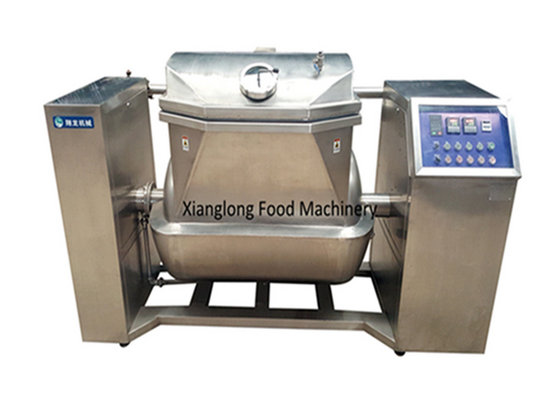
300 L Vacuum Mixing Machine
Description
DC-C40 RTV-2 Mold Making Silicone Rubber is a kind of room temperature vulcanized silicone rubber in condensation type. It’s generally named as two part silicone rubber , Part A is a flowable liquid silicone, Part B is the curing agent (Tin catalyst) . It’s mainly used for mold making.
Application
DC-C40 RTV-2 Mold Making Silicone Rubber is used for making molds of concrete stone, GRC, gypsum decoration, plaster ornaments, fiberglass products, polyester decoration, unsaturated resin crafts, polyresin crafts, polyurethane, bronze, wax, candle, and similar products.
Technical Parameters
DC-C40 RTV-2 Mold Making Silicone Rubber is with high hardness in high tensile and tear strength ,which is suitable for very large size product with some pattern by brushing and pouring operation, especially popular for manufacturer of large plaster sculpture and concrete decoration . Additive is available for brushing operation.
Model | Color | Mixing ratio (%) | Pot life (mins, under 25℃) | Curing time (hrs,under 25℃ ) | Hardness ( Shore A ) | Tensile- strength (MPa) | Tear- strength (kN/m) | Viscosity (After A/B mixed ,mPa.s) | Shrinkage rate (%) | Elongation (%) |
DC-C40 | White | 2-4 | 30-40 | 3-5 | 40±2 |
>3.8
|
>20
|
20000±5000
| ≤0.25% | >310% |
Characteristics
*Good operability, easy to demold
*Moderate hardness
*High tensile and tear strength
*Cure at room temperature
*Good flexibility
*High duplication times
Operation instructions
Step 1: prepare the original molds
Make your original molds perfect. fix it on a board. And fix the original mold on a board , then used four piece of board to enclose the original molds .
Step 2: Take 100 G parts A and add 2G parts B and mix them evenly.
*Notes: Mold making silicon rubber is a kind of flowing liquid ,it contains two parts. Part A is a kind of flowing white liquid and part B is the curing agent or catalyst .Pls follow the step strictly:
1.Weigh the two part exactly by electronic weight. If not, for example add too much catalyst , the operation time will be too fast to operate ,which will cause inconvenience to operate
2.Mix part A and part B evenly. Otherwise the silicon rubber will be partly solidified and this will give birth to difficulties in your final operation. What’s more, the finished molds will meet a short life. All of these will cause a waste of silicon rubber.
Step 3: Vacuum pumping
Without exception, this step takes less than 10 minutes. Otherwise, it will cause cross linking reaction, and no more further steps will be available.
Step 4: Pouring casting or Brush operation
*Notes:1. For simple pattern products we suggest use pouring operation way, which will be very easy to operate and demould. Pourable silicone require low viscosity which will be easy to flow smoothly and easy to de-air .
2.For delicate pattern products we suggest use brushing operation way, which can copy the pattern exactly . Brushable silicone require high viscosity which won’t be easy to flow away and easy to brush .
3. We sugges to set the silicone mold for another 12 hours after demould before you put it into a large production .
Package
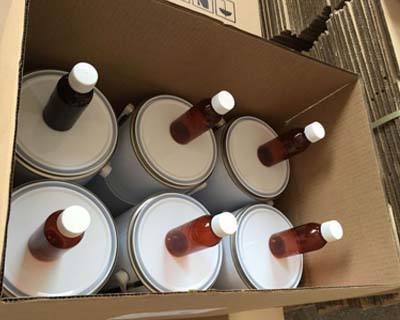
25KG/drum vacuum packing for part A +1kg/ bottle catalyst for part B;9/18drums/pallet;
200KG/drum packing for part A +1kg/ bottle catalyst for part B; 1//2/4drums/pallet;
Shelf life
Twelve(12) months when stored under dry and cool place by original package under 25℃
Reposted for informational purposes only. Views are not ours. Stay tuned for more.