XSSPL23 Module
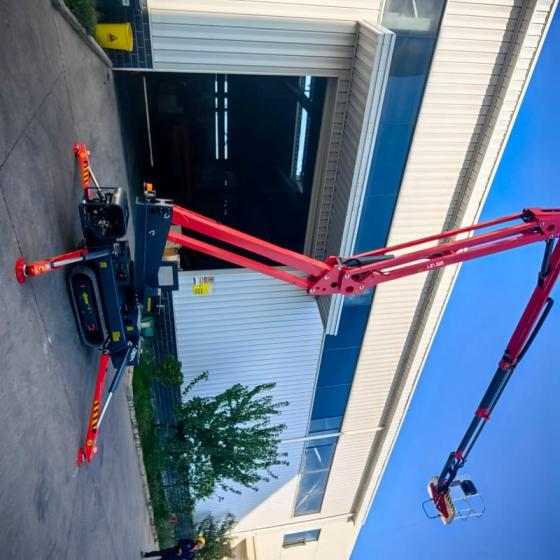
s a special type of aerial work equipment, spider lifts are convenient to use due to their unique designs and performance, mainly reflected in the following aspects: Flexibility and Mobility - Compact Body: Spider lifts usually have a compact body. For example, some models are only about 1 meter wide and approximately 3 meters long, enabling them to easily enter narrow spaces such as indoor corridors and alleys, demonstrating obvious advantages in scenarios like building decoration and indoor maintenance.- Flexible Steering: They adopt a four-wheel independent steering or multi-wheel steering system, with a small turning radius. Some can even turn in place, allowing for quick adjustment of the working direction within a limited space and improving work efficiency.- Off-road Performance: Equipped with large-sized tires or tracks, they have good passing ability and can adapt to complex terrains such as muddy and rugged mountain roads. They can reach areas that are difficult for traditional equipment to access in outdoor power maintenance, garden pruning and other operations. Efficient Operation - Fast Lifting and Lowering: They possess the function of fast lifting and lowering. The lifting and lowering speed can reach several meters per minute or even higher, enabling workers to quickly reach the working height. For example, it can save working time when cleaning the exterior walls of high-rise buildings or repairing street lamps.- Large Working Range: The extension length and height range of the working boom are large. The working height of some large spider lifts can reach dozens of meters, and the horizontal extension distance can also reach more than ten meters, which can cover a relatively large working area and reduce the number of equipment movements.- Coordinated Multiple Movements: The working boom can achieve multi-joint linkage and can perform telescoping, luffing, slewing and other movements simultaneously. Workers can flexibly adjust the working position and angle, enabling precise positioning in the construction of complex-structured buildings and equipment installation. Safety and Reliability - Stable Support: Equipped with multiple support legs, which can be extended to touch the ground during operation, increasing the support area and improving stability. Even in high altitudes or on complex terrains, it can ensure the safety of the operation. For example, it can effectively prevent shaking when working at high places outdoors in windy conditions.- Safety Protection: Equipped with various safety protection devices such as safety belts, safety locks and anti-tilt devices. When the equipment experiences abnormal tilting or other malfunctions, these protection devices can be triggered in time to ensure the safety of the workers.- Precise Control: Adopting advanced hydraulic or electrical control systems, workers can precisely control the lifting, rotating and other movements of the equipment and can accurately stop at the required positions, reducing the risk of misoperation.
Reposted for informational purposes only. Views are not ours. Stay tuned for more.